
The Ultimate Guide to Buying a Car in Costa Rica
Buying a car in Costa Rica is an exciting milestone, whether you are a local or an expat. However, the process involves specific legal and technical steps that differ from other countries. Understanding the 'traspaso' (transfer of ownership), the role of DEKRA (technical inspection), and the annual 'Marchamo' (circulation tax) is essential to ensure a smooth and legal purchase. This guide covers everything you need to know to navigate the Costa Rican automotive market with confidence.
Why Quality Matters on Costa Rican Roads
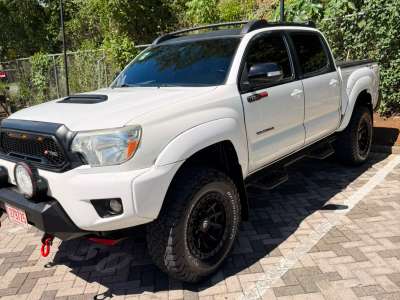
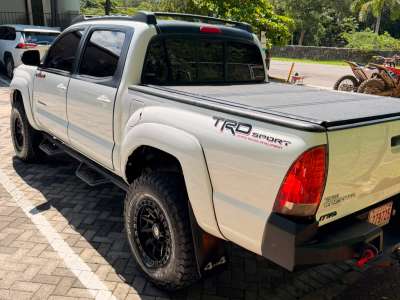
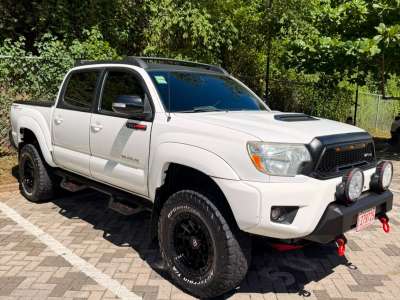
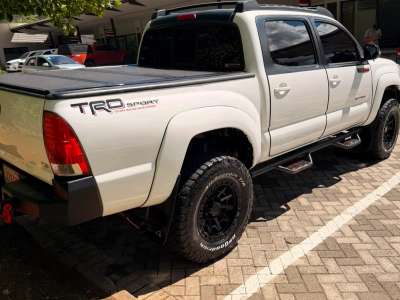
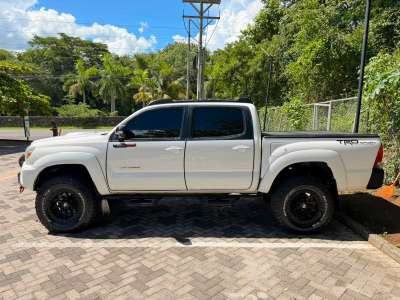
Costa Rica offers a mix of modern highways and rugged, unpaved terrain. In areas like San José, traffic can be heavy, while in rural Guanacaste or Puntarenas, you may face river crossings or steep, muddy inclines. Choosing a vehicle with high ground clearance and a reliable cooling system is often more important than luxury features. Brands like Toyota, Hyundai, and Suzuki are highly favored due to the abundance of spare parts and mechanics who know these engines inside and out.
The Legal Process: Traspaso and Notaries
In Costa Rica, every vehicle sale must be recorded by a Notary Public. The 'traspaso' is the legal act of transferring the title from the seller to the buyer.
- The Deed (Escritura): The notary drafts a document that both parties sign.
- The Cost: Transfer taxes and notary fees usually total about 3% to 4% of the vehicle's declared value.
- The Registry: The notary then submits the deed to the 'Registro Nacional' (National Registry) to update the ownership records.
Technical and Financial Requirements
Before handing over any money, verify these three critical elements:
- DEKRA (Technical Inspection): Formerly RITEVE, this is a mandatory annual check. Never buy a car without a valid inspection sticker, as it proves the car meets basic safety and emission standards.
- Marchamo: This is the annual circulation tax due every December. Check if there are any outstanding 'partes' (traffic tickets) or unpaid Marchamos, as these debts follow the vehicle, not the driver.
- Pledges (Gravámenes): Ensure the vehicle has no liens or judicial orders against it. Your notary can check the National Registry in real-time.
Price Expectations in the Local Market
Cars in Costa Rica are generally more expensive than in North America or Europe due to high import taxes.
- Economy Cars (e.g., Hyundai Accent, Toyota Yaris): $8,000 - $15,000 USD.
- Mid-size SUVs (e.g., Toyota RAV4, Nissan X-Trail): $15,000 - $28,000 USD.
- 4x4 Icons (e.g., Toyota Hilux, Land Cruiser): $25,000 - $60,000+ USD.
Where to Buy: Provinces and Options
- San José & Alajuela: The largest concentration of 'ventas de autos' (dealerships) is in La Uruca and near the airport.
- Heredia: Great for finding well-maintained family vehicles.
- Guanacaste: Be cautious; vehicles here may have more wear from salt air and dust.
Start Your Journey Today
Don't navigate the market alone. Use our AI search to find vehicles with verified documents and clean histories.